How to Improve Productivity in Manufacturing starts with understanding the right strategies to maximize efficiency and cut unnecessary costs. A well-structured approach can keep businesses competitive while meeting customer expectations with greater ease.
Boosting productivity goes beyond machines and tools — it’s about creating smarter workflows, training employees effectively, and making the best use of technology. Even small adjustments in these areas can generate powerful results across the production line.
If you’re looking to unlock the full potential of your manufacturing processes, you’re in the right place. Keep reading to explore practical tips that can help you drive lasting improvements and growth.
Identifying Key Areas for Improvement
Identifying key areas for improvement is crucial in boosting productivity in manufacturing. Start by examining workflows and pinpointing bottlenecks. A bottleneck is a stage in the process where work slows down, causing delays and inefficiencies.
Next, gather input from employees on the shop floor. They have firsthand experience with daily operations and can highlight problems. Encourage them to share ideas, as their insights can lead to valuable improvements that management might overlook.
Finally, analyze performance data to spot trends. Look for patterns that indicate where inefficiencies lie. Measuring output, quality, and downtime lets you take informed steps toward enhancing productivity across the board.
The Role of Technology in Productivity
Technology plays a vital role in improving productivity in manufacturing. By using advanced tools and machines, businesses can speed up production and ensure consistent quality. Smart technology can automate routine tasks, allowing employees to focus on more important work.
Additionally, technology helps in tracking processes in real-time. With monitoring systems, companies can quickly spot issues and respond effectively. This leads to less downtime, reduced waste, and improved efficiency in the production line.
Moreover, technology fosters better communication among teams. With software that connects workers, information flows smoothly. Everyone stays informed and can collaborate easily. This unity helps boost overall productivity and enhances the workplace environment.
Streamlining Supply Chain Operations
Streamlining supply chain operations is essential for enhancing productivity in manufacturing. A well-organized supply chain ensures that materials arrive on time and that production runs smoothly. By reducing delays, companies can meet customer demands faster and improve overall efficiency.
One effective way to streamline operations is by fostering strong relationships with suppliers. Good communication helps to establish trust and can lead to easier negotiations. When suppliers understand a manufacturer’s needs, they can provide the right materials precisely when they are needed, minimizing wasted time and resources.
Additionally, using technology to track shipments and inventory levels can help businesses stay ahead. Real-time data allows for quick adjustments in the supply chain. This flexibility ensures that manufacturers can respond to sudden changes and keep operations flowing without interruption.
Employee Training and Development Strategies
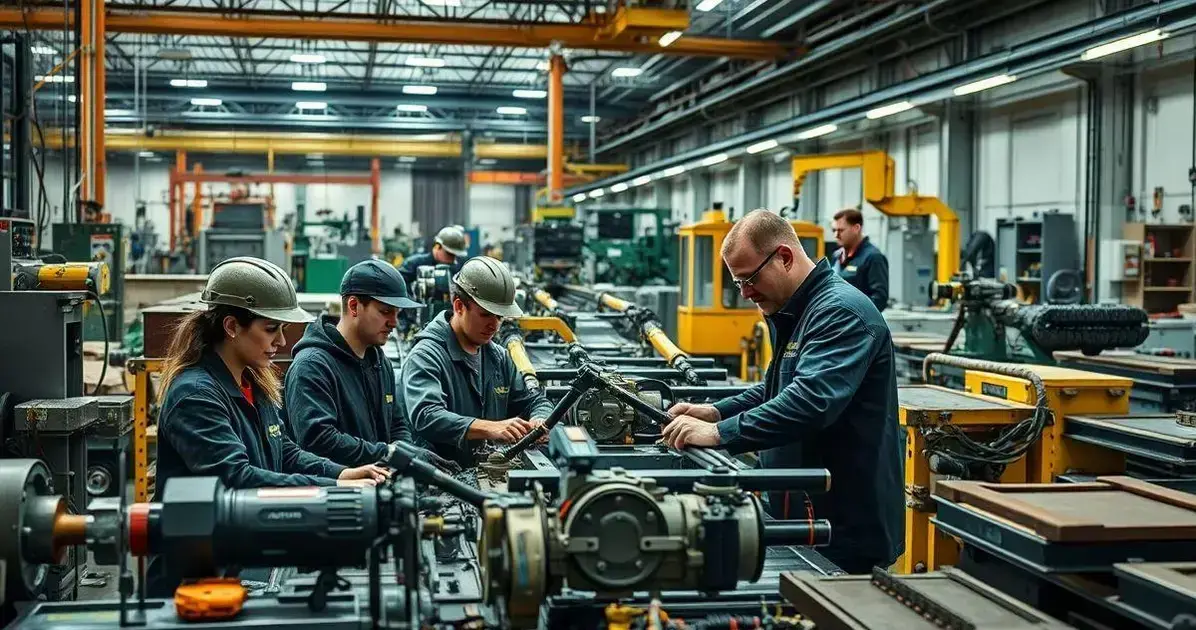
Employee training and development strategies are key to boosting productivity in manufacturing. Providing regular training helps workers develop the skills they need to perform their tasks efficiently. When employees feel confident in their abilities, they are more engaged and less prone to making mistakes.
Offering hands-on learning experiences can significantly impact how quickly employees absorb new information. Workshops and on-the-job training allow workers to practice their skills in real-life situations. This approach not only sharpens their competencies but also fosters teamwork and communication among staff.
Additionally, setting clear goals for each training program is crucial. By defining objectives, companies can measure the progress of their workers and the effectiveness of the training. This focus on development ensures that employees are always improving, which ultimately leads to a more productive workplace.
Implementing Lean Manufacturing Principles
Implementing lean manufacturing principles can greatly enhance productivity in a factory setting. Lean manufacturing focuses on reducing waste while maximizing value for customers. By analyzing every step of the production process, companies can identify areas where resources are wasted, such as excess materials or time-consuming tasks.
One key aspect of lean manufacturing is continuous improvement. This means always looking for ways to streamline operations. Encouraging employee input can help reveal inefficiencies. When workers share their insights, companies can make changes that lead to a smoother workflow and a more motivated workforce.
Another important principle is just-in-time production. This strategy ensures that materials arrive exactly when they are needed in the production process. This approach reduces inventory costs and waste, allowing manufacturers to respond quickly to customer demands while keeping operations running efficiently.
Measuring Productivity: Essential Metrics
Measuring productivity is essential for improving processes in manufacturing. Companies should focus on key metrics that give a clear picture of performance. One important metric is overall equipment effectiveness (OEE). OEE measures how well a manufacturing operation is performing compared to its full potential during the time it is scheduled to run.
Another crucial metric is the cycle time, which is the total time from the beginning to the end of a process. Tracking cycle time helps identify delays and bottlenecks. By reducing cycle time, companies can produce more products in less time, leading to higher productivity.
Finally, tracking employee performance can provide insights into productivity levels. Employee productivity metrics can include output per worker and the quality of work produced. Understanding how individual workers contribute to overall productivity helps in making informed decisions about training and development strategies.
Tools for Productivity Improvement
Using the right tools is vital for improving productivity in manufacturing. One popular tool is project management software, which helps teams organize tasks and track progress. These platforms allow everyone involved to stay on the same page, preventing misunderstandings and ensuring that deadlines are met.
Another useful tool is data analytics software. By analyzing production data, companies can identify trends and areas for improvement. This software helps managers make better decisions by providing insights into efficiency and performance, allowing quick adjustments to processes when needed.
Lastly, communication tools play a key role in productivity. By using instant messaging and video conferencing, teams can communicate effectively and resolve issues quickly. Improved communication leads to better collaboration, ensuring that all team members work together smoothly and efficiently.
How to Improve Productivity in Manufacturing: Creating a Culture of Continuous Improvement
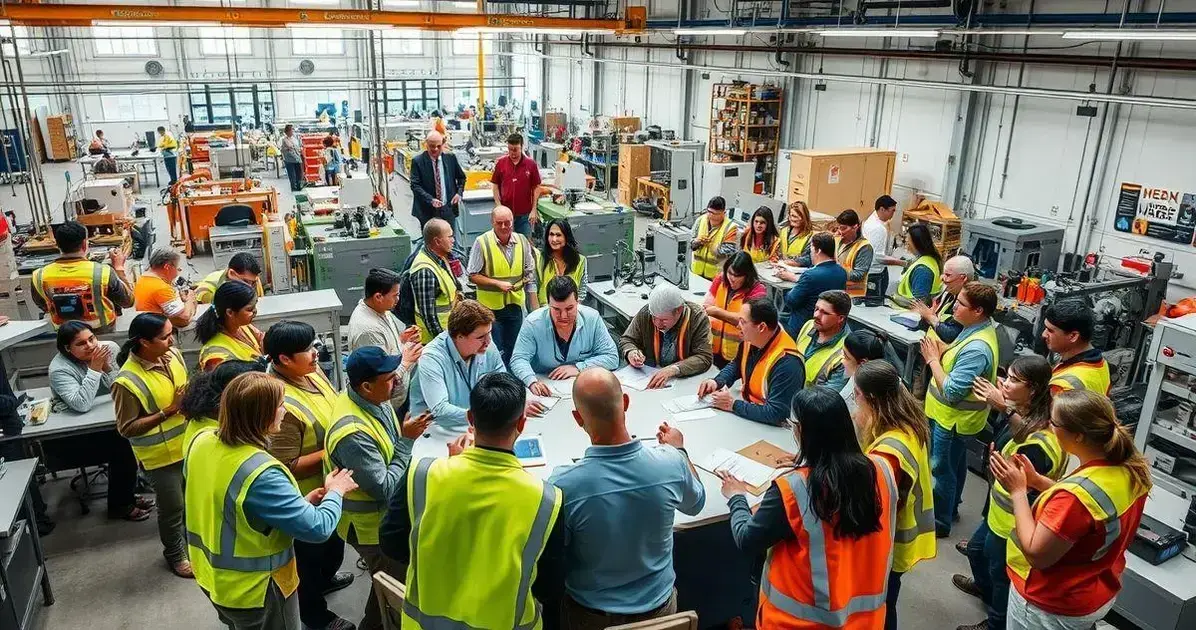
Creating a culture of continuous improvement is essential for boosting productivity in manufacturing. This culture encourages everyone in the workplace to look for ways to enhance processes and performance. When employees feel their ideas are valued, they are more likely to share suggestions that can lead to significant improvements.
Regular training sessions can help reinforce the mindset of continuous improvement. Workshops that focus on problem-solving and innovative thinking empower employees. When workers are equipped with the right tools and knowledge, they become more confident in trying new approaches to their tasks.
Additionally, recognizing and rewarding efforts in continuous improvement can motivate staff. Celebrating small wins builds a positive environment. When employees see that their contributions lead to real change, it inspires them and others to strive for continuous growth in their work.